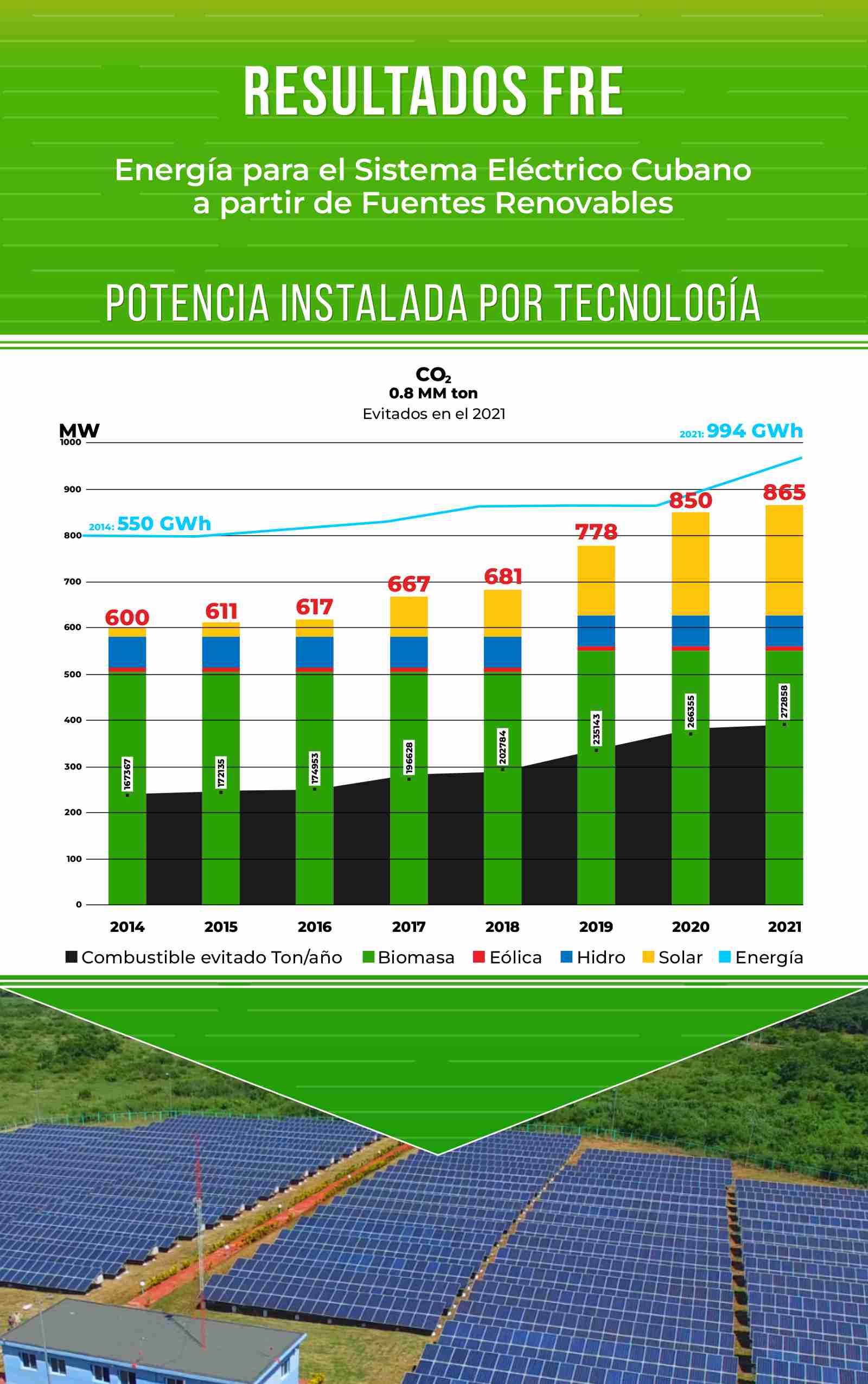
Cuba has excellent natural conditions for the use of Renewable Energies. How much remains to be done and to what extent we can contribute to the expansion of technologies in the country.
An article in the digital magazine Cubahora brings us closer to this issue.
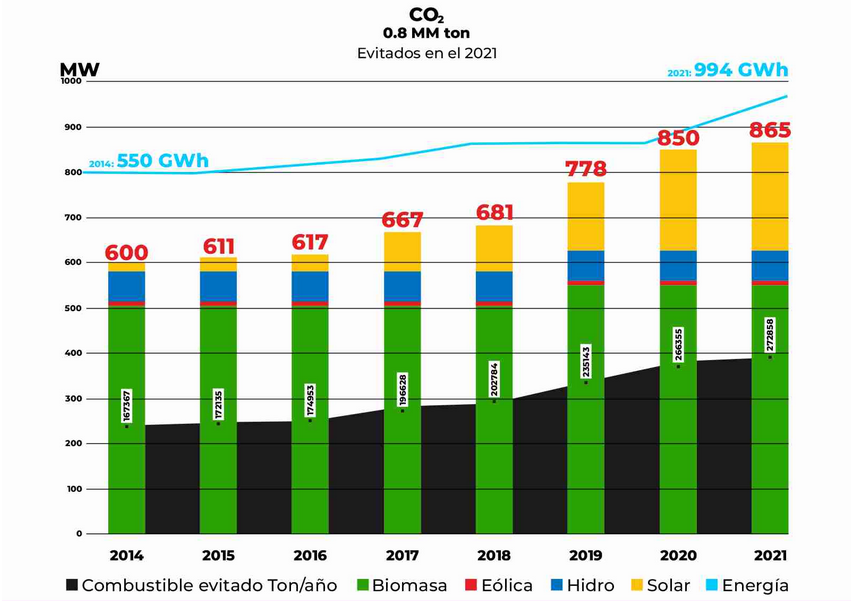
Renewable energy is essential to comply with the Energy Efficiency Program and also with the country’s plans against climate change. The Ministry of Energy and Mines (MINEM) estimates that if it is used to its full potential, 26 thousand GW of clean energy will be produced every year. This would replace 6.5 million tons of fuel per year and we would stop emitting approximately 21 million tons of CO per year into the atmosphere.
There is still a long way to go to reach 100% renewable energy. Lack of access to technologies, sufficient investment and incentives for their use are some of the obstacles. However, the goal is there and the will of the country exists, and the first steps are already being taken.
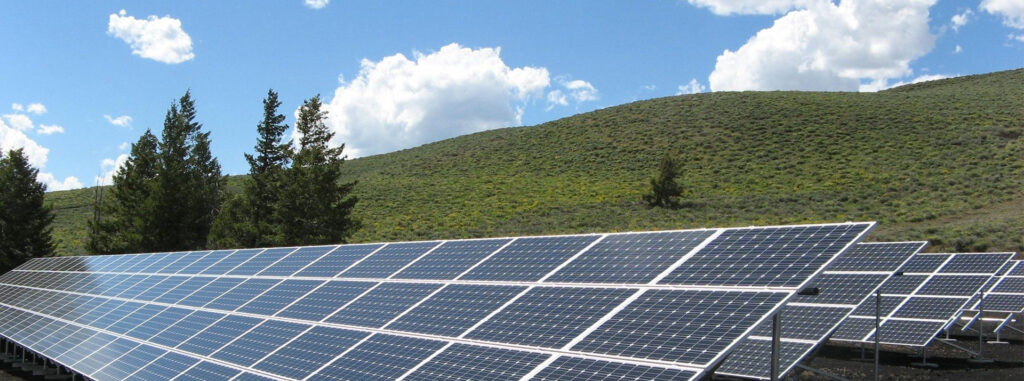
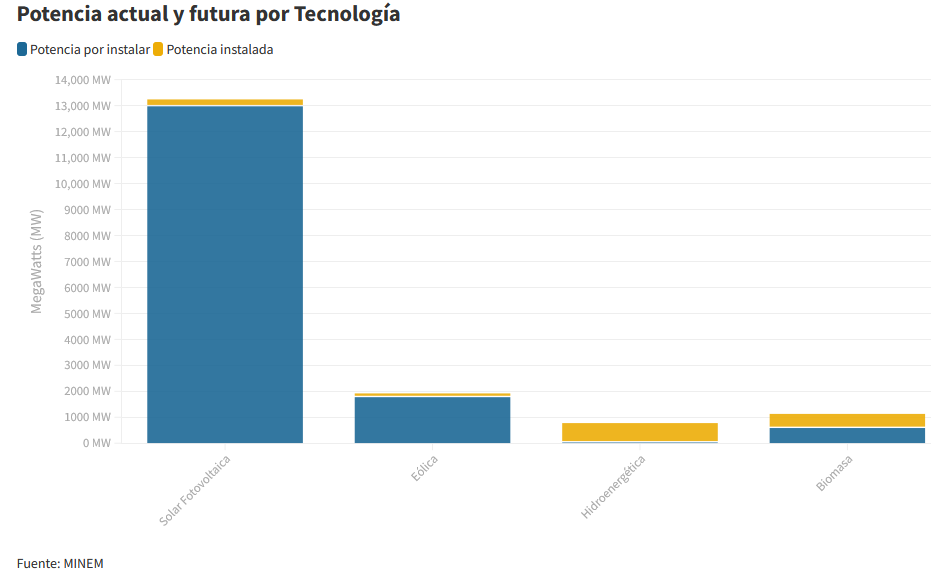
As Cuba is a country of eternal summer, as many insist on calling it, if there is something that is not lacking, it is the strong sun. This resource could be widely used for energy generation. Currently, according to a conference given by the Director of Renewable Energy MINEM, Rosell Guerra Campaña, at the Second International Renewable Energy Fair, we have installed photovoltaic solar parks that generate a total of 238 MW, equivalent to the annual consumption of some 200,000 Cuban homes. However, to meet the country’s objectives it will be necessary to install some 13,000 MW, the official said, of which there are already about 5,000 MW in advanced negotiations.
Among the alternatives to take advantage of solar energy is the plan to use panels on the roofs of government buildings and companies, where some 900 MW should be installed as a priority, said the specialist. This is part of a 5-year program that estimates to reduce SEN’s electricity consumption by at least 2% per year with the maximum possible use of available roofs to install solar photovoltaic systems.
On the other hand, there is the option of using these systems in homes. However, despite the advantages in tariffs, it is quite expensive for individuals to obtain this service on their own. Today, only about 16,000 Cuban homes have photovoltaic installations. “If we were to install at least 1 kilowatt in 50% of the total of our homes, we would install about 2 thousand MW with the advantages of producing energy directly for consumption,” explained the MINEM official.
In addition, as a priority in the country is the use of solar energy for pumping water for irrigation in agriculture, livestock consumption and for the population. “Water pumping is the largest consumer of electricity in the country, which imposes the need to implement a prioritized program for its replacement by solar pumping systems,” added Rosell Guerra.
Beyond investments, the country’s energy efficiency program and a leading participation of the national industry are of concern. For example, Rosel stated that with the change in the energy matrix, the country is obliged to use a large volume of photovoltaic solar energy storage. That is why it is essential to create industrial capacities for the production of batteries; it is not possible to import all this technology, he pointed out.
The use of electric vehicles is also being promoted, and they are beginning to be more visible on Cuban streets. These do not pollute the air, but they still consume from the national electric system with thermoelectric plants. The intention is that by changing the matrix, the energy used by this type of transportation will be 100% clean.